
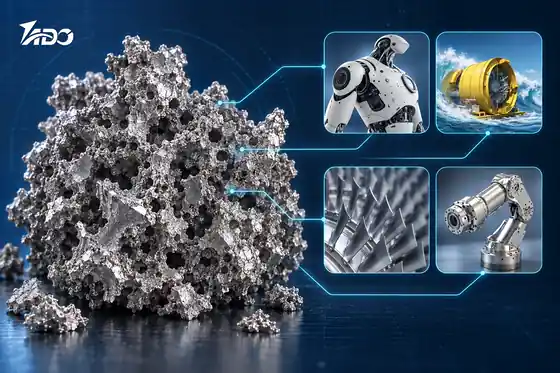
Titanium Security: The Strategic Backbone of AI, Robotics, Industrial Machines, and Ocean Engineering
Why Sponge Titanium Determines the Future of Global High‑End Manufacturing

Introduction
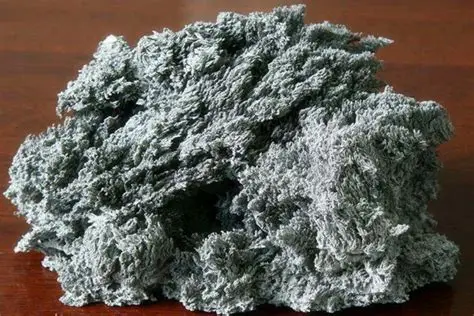
In today’s rapidly evolving industrial landscape, few materials carry as much strategic weight as sponge titanium. Often described as the foundation of the titanium industry, sponge titanium is the essential raw material used to produce titanium alloys—the metals powering AI hardware, humanoid robots, aerospace systems, industrial machines, medical devices, and deep‑sea engineering.
For global OEM/ODM buyers, titanium security—defined as stable supply, consistent quality, and independent production capability—is no longer a technical detail. It is a strategic determinant of competitiveness, innovation speed, and long‑term resilience.
This article provides a comprehensive, SEO‑optimized, enterprise‑grade analysis of why sponge titanium has become a critical material for the world’s most advanced industries. It also explains how titanium security affects manufacturing stability, product performance, and national‑level strategic capabilities.
1. AI Hardware: Titanium Builds the Physical Core of Intelligence
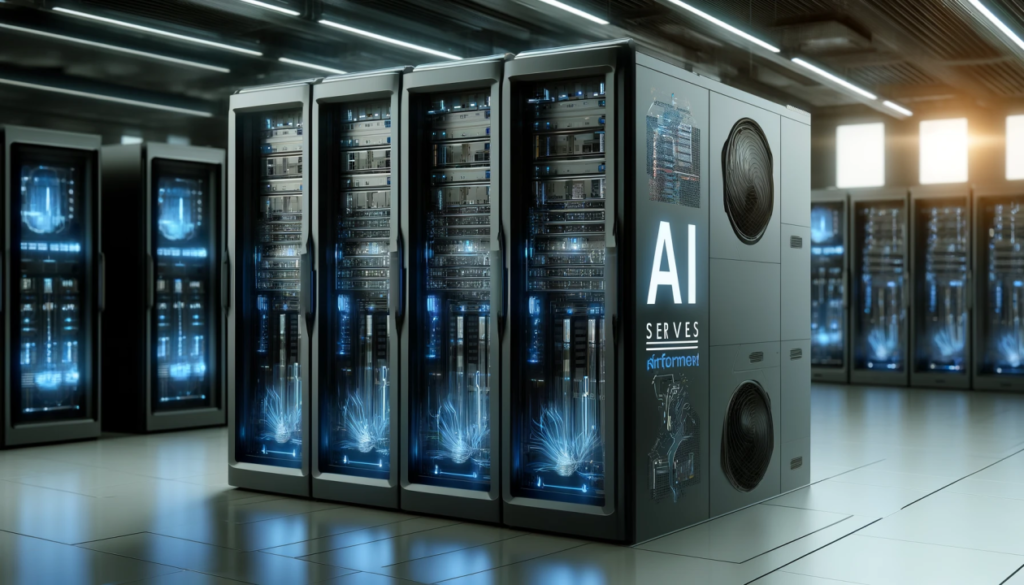

Artificial intelligence is expanding at an exponential pace, but its breakthroughs rely on physical hardware—servers, chips, cooling systems, edge devices, and autonomous platforms. These systems operate under extreme thermal, mechanical, and electromagnetic stress. Titanium alloys derived from sponge titanium are uniquely suited to meet these demands.
1.1 Why Titanium Is Essential for AI Hardware
Titanium alloys offer a combination of properties that few materials can match:
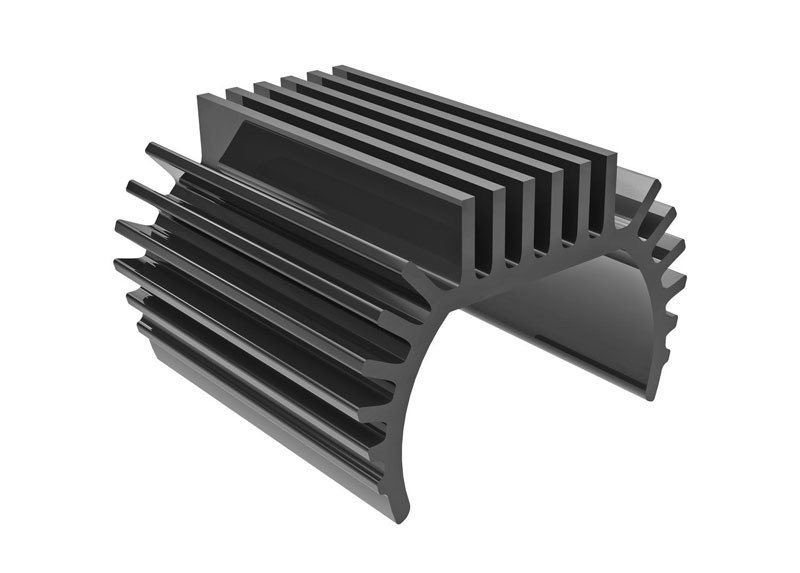
- High thermal conductivity Enables efficient heat dissipation for AI servers and high‑density compute clusters.
- Strong EMI shielding Protects sensitive chips and sensors from electromagnetic interference.
- Lightweight structural strength Allows thinner, more durable housings for edge AI devices and autonomous systems.
- Exceptional fatigue resistance Ensures long service life under continuous high‑load operation.
These characteristics make titanium indispensable for:
- AI server heat sinks
- High‑performance GPU/ASIC cooling modules
- Structural frames for autonomous robots
- EMI‑shielded sensor housings
- Lightweight casings for industrial AI terminals
1.2 Titanium Security Determines AI Competitiveness
If sponge titanium supply becomes unstable:
- Hardware production costs rise
- Yield rates decline
- Product reliability decreases
- AI deployment slows
- National and enterprise competitiveness suffers
AI hardware is only as strong as its materials. Titanium security is the foundation of AI stability.
To explore deeper, see:
- AI Hardware Titanium Applications
2. Robotics: Titanium Enables Mass‑Production of High‑Performance Robots
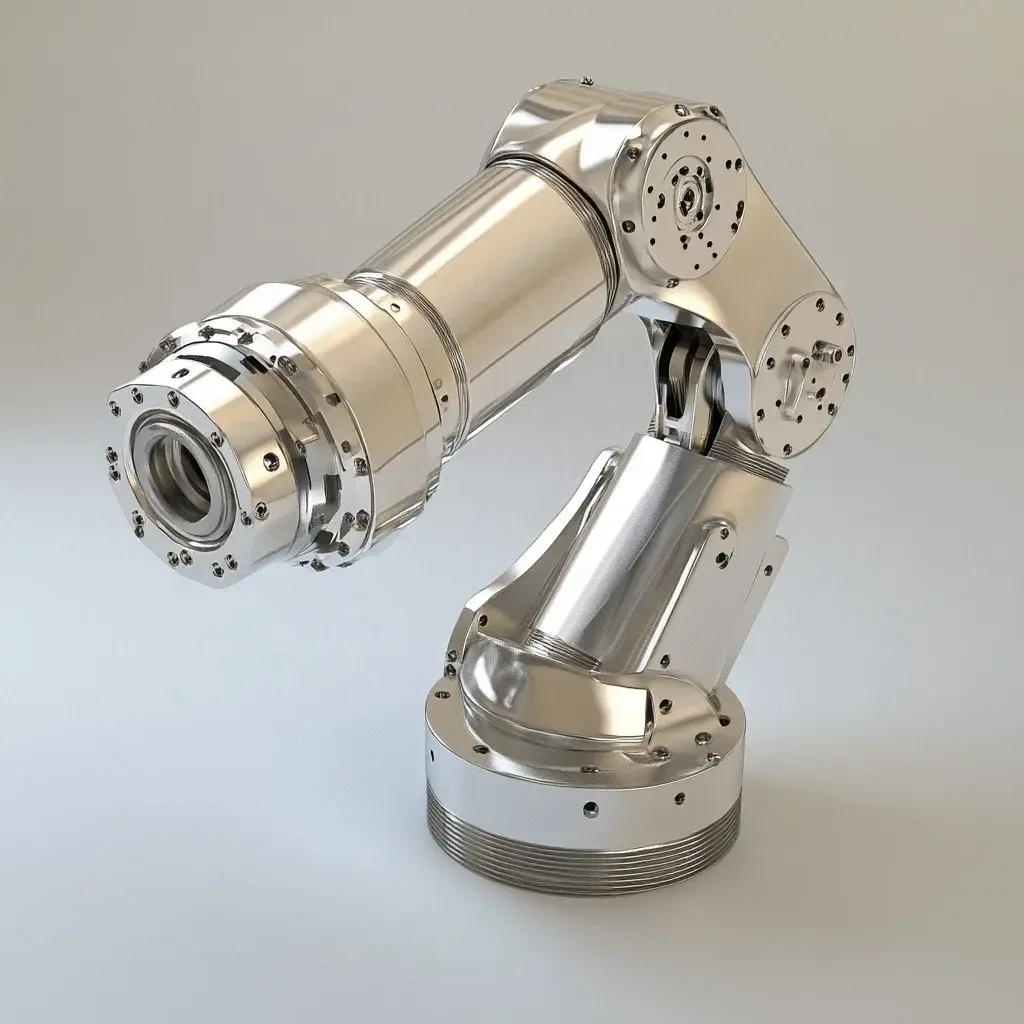

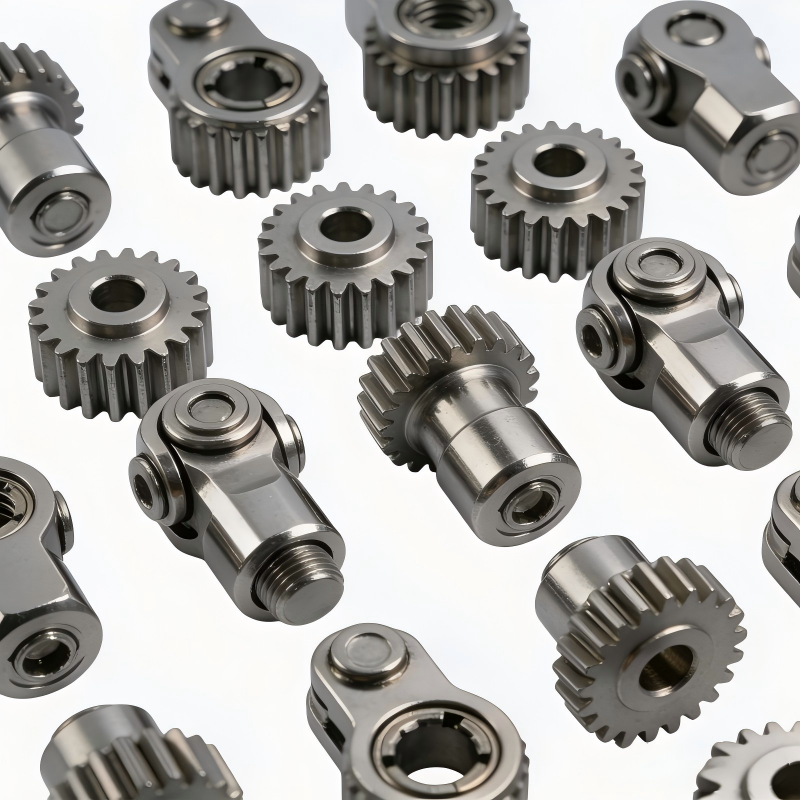
Robotics is entering a new era—one defined by mass production, humanoid mobility, and industrial autonomy. As robots become more capable and more widely deployed, the performance of their materials becomes a decisive factor.
Titanium alloys are now central to robot design, durability, and scalability.
2.1 Humanoid Robots: Titanium Solves the Core Bottleneck
Humanoid robots require materials that are:
- Lightweight
- High‑strength
- Fatigue‑resistant
- Corrosion‑resistant
- EMI‑stable
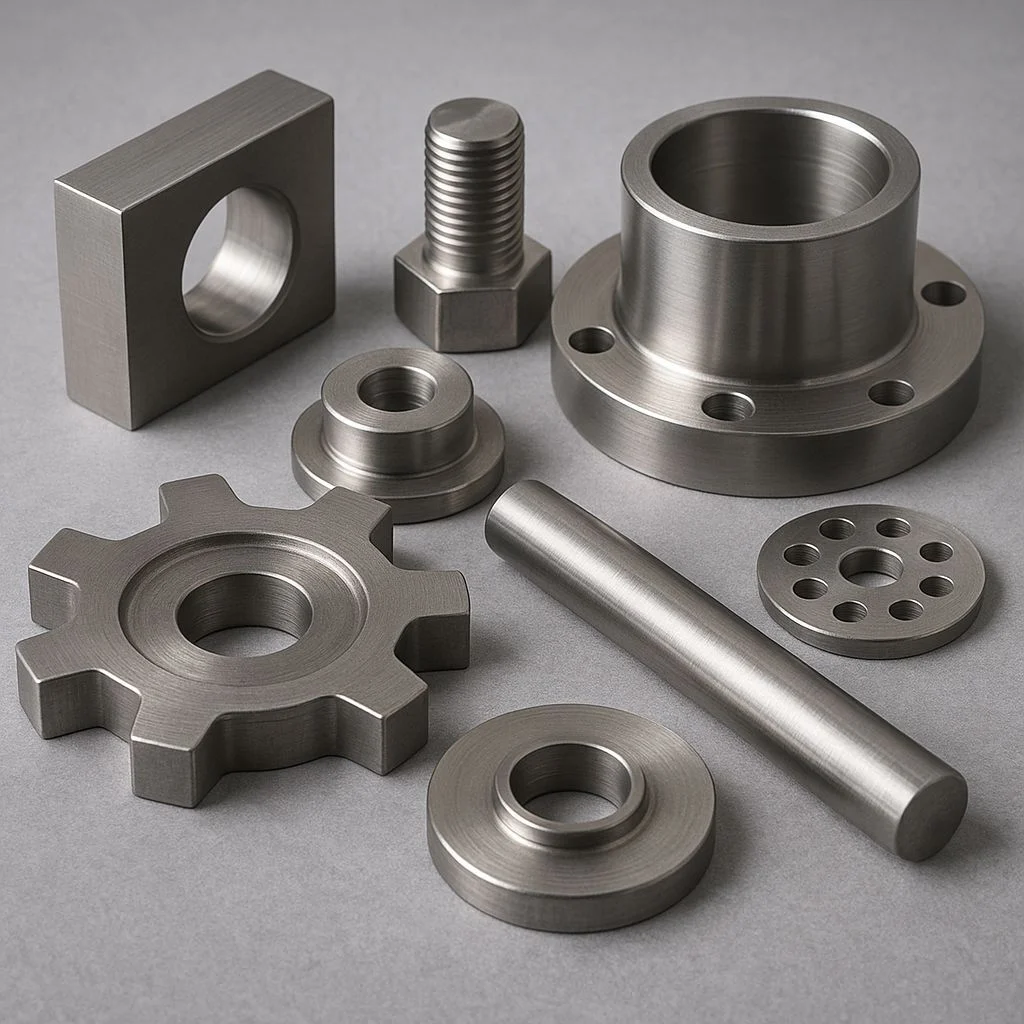
Titanium alloys—especially Ti‑6Al‑4V—are used in:
- Hip and knee joints
- High‑precision gear systems
- Structural frames
- Sensor shielding components
- Lightweight load‑bearing skeletons
Performance Improvements Enabled by Titanium
| Component | Titanium Advantage |
|---|---|
| Joints | Weight ↓ 40% / Fatigue life ↑ 3× |
| Structural frame | Energy absorption ↑ 32% |
| Sensor modules | EMI shielding + lightweight |
| Actuator housings | Heat resistance + mechanical stability |
These improvements directly impact:
- Robot agility
- Battery efficiency
- Load capacity
- Lifespan
- Safety
- Manufacturing scalability
Titanium security determines whether humanoid robots can be produced at scale.
2.2 Industrial & Special Robots
Titanium is also essential for:
- High‑voltage maintenance robots Titanium resists electromagnetic interference and fatigue.
- Underwater robots Titanium withstands corrosion and pressure in deep‑sea environments.
- Medical robots Titanium provides biocompatibility and precision.
If sponge titanium supply is disrupted, the robotics industry faces a materials bottleneck that slows innovation and increases costs.
Explore more:
- Titanium in Robotics
3. Industrial Machines: Titanium Drives High‑End Manufacturing Upgrades
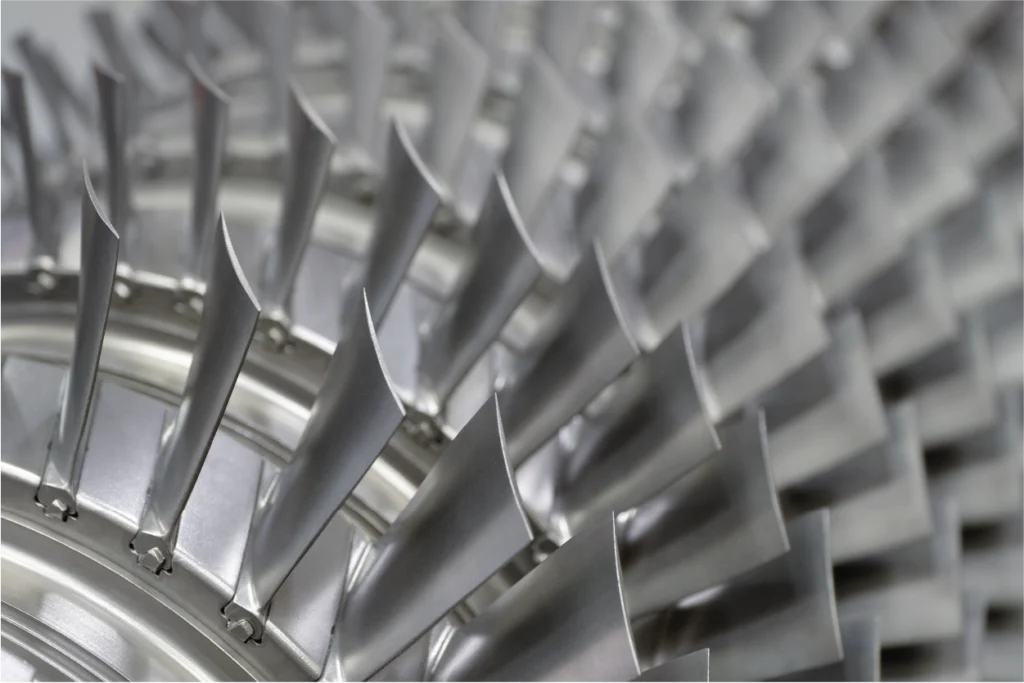

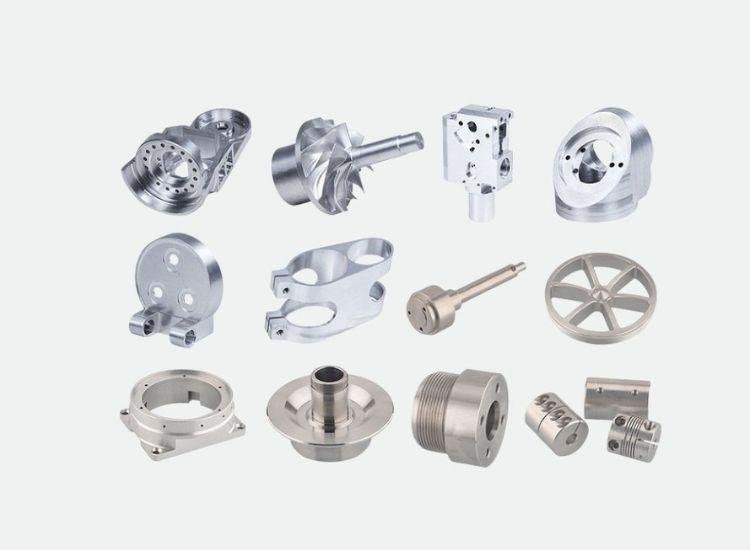
High‑end manufacturing depends on precision, reliability, and long service life. Titanium alloys play a critical role in enabling these qualities across industrial machines, aerospace systems, medical devices, and energy equipment.
3.1 Industrial Mother Machines (CNC, Precision Tools)
Industrial mother machines are the “heart” of manufacturing. Their performance determines the quality of every downstream product.
Titanium alloys are used in:
- High‑precision spindle components
- Wear‑resistant cutting tools
- Structural frames
- High‑load transmission systems
Titanium’s fatigue resistance and dimensional stability directly influence:
- Machining accuracy
- Production consistency
- Equipment lifespan
- Manufacturing efficiency
Titanium security ensures that factories can maintain stable production and upgrade to smarter, more automated systems.
3.2 Aerospace & Defense: Titanium Is Irreplaceable
Titanium is essential for:
- Aircraft structural components
- Jet engine parts
- Landing gear systems
- Military drones
- High‑performance defense equipment
Examples:
- C919 aircraft: Titanium accounts for ~9.3% of total weight
- J‑35 fighter: Titanium accounts for ~25%
During conflict or emergency production cycles, titanium demand can increase 50–70%. Titanium security becomes a strategic necessity.
3.3 New Energy & Medical Equipment
Titanium alloys are widely used in:
- Photovoltaic equipment
- Energy storage systems
- Hydrogen production systems
- Medical implants
- Surgical instruments
Titanium’s biocompatibility and corrosion resistance make it ideal for medical devices, while its stability under extreme conditions supports renewable energy systems.
Explore more:
- Titanium Standards for Industrial Machines
4. Ocean Engineering: Titanium Protects the “Blue Territory”


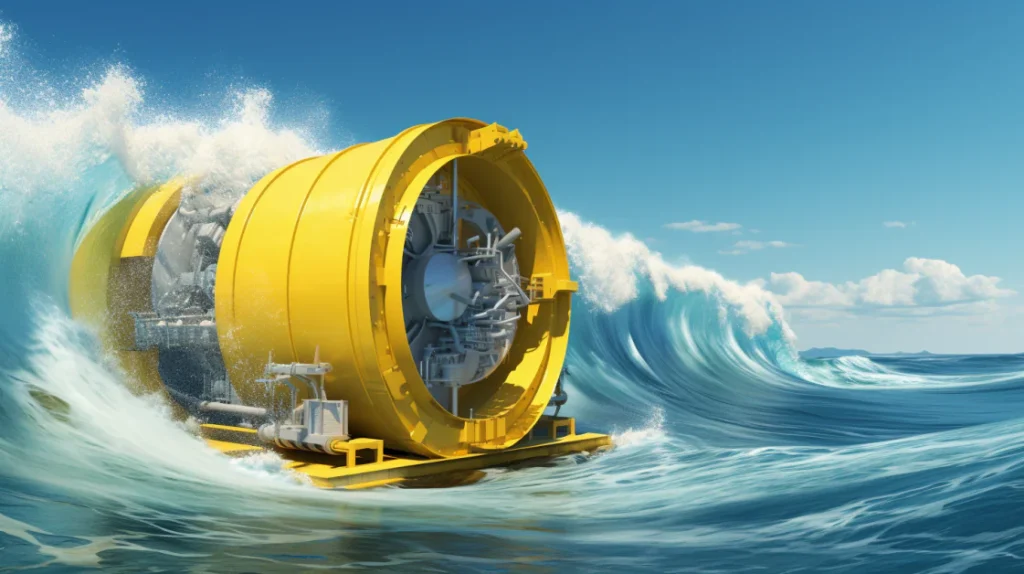
The ocean is one of the most challenging environments on Earth. High corrosion, extreme pressure, and wide temperature fluctuations make most metals unsuitable for long‑term use.
Titanium alloys—derived from sponge titanium—are the only materials capable of delivering reliable performance in deep‑sea and offshore applications.
4.1 Deep‑Sea Exploration
Titanium alloys are used in:
- Submersible pressure hulls
- Deep‑sea robotic arms
- Cable connectors
- Sensor housings
Ti‑3Al‑2.5V can withstand pressures at 1000+ meters depth. Its corrosion rate in seawater is less than 0.001 mm/year.
Titanium security ensures that deep‑sea exploration equipment remains safe, reliable, and durable.
4.2 Ocean Energy Systems
Titanium is essential for:
- Tidal turbine blade roots
- Wave energy hydraulic cylinders
- Heat exchanger plates
- Undersea cable connectors
As ocean energy projects expand into deeper waters, titanium demand continues to rise.
4.3 Maritime Defense
Titanium is used in:
- Submarine hulls
- Naval vessel piping systems
- Underwater communication equipment
- Maritime surveillance platforms
During conflict, titanium demand for naval equipment can increase 80%+. Titanium security becomes a matter of national and industrial resilience.
Explore more:
- Titanium in Ocean Engineering
5. Why Titanium Security Matters for Global OEM/ODM Buyers
Titanium security is defined by:
- Stable supply
- Consistent quality
- Independent production capability
- Geo‑risk resilience
For enterprise buyers, titanium security affects:
- Product performance
- Manufacturing stability
- Cost control
- Delivery timelines
- Innovation speed
- Long‑term competitiveness
6. Titanium Security Checklist for B2B Buyers
| Risk Category | What Buyers Should Evaluate |
|---|---|
| Supply Stability | Long‑term production capacity, expansion plans |
| Quality Consistency | ASTM / AMS / ISO certifications |
| Geo‑Risk | Exposure to unstable regions |
| Material Traceability | Full supply chain transparency |
| Delivery Capability | Ability to support large‑volume, short‑cycle orders |
| Technical Support | Engineering guidance for titanium applications |
7. Internal Link Recommendations (Content Matrix)
- Titanium Supply Chain Strategy
- Titanium Applications in Robotics
- Titanium for Ocean Engineering
- Titanium Standards for Industrial Machines
FAQ (SEO‑Optimized for WordPress)
What is sponge titanium?
Sponge titanium is the raw material used to produce titanium alloys. It determines the final performance of titanium products.
Why is titanium essential for AI hardware?
Titanium provides heat dissipation, EMI shielding, lightweight strength, and fatigue resistance.
Which industries rely most on titanium?
AI, robotics, aerospace, ocean engineering, industrial machines, new energy, and medical devices.
How does titanium improve ocean engineering equipment?
Titanium resists corrosion, pressure, and fatigue in extreme marine environments.
Conclusion
Titanium security is no longer a materials topic—it is a strategic competitiveness topic for every global manufacturer. From AI hardware to humanoid robots, from industrial machines to ocean engineering, sponge titanium determines the performance, reliability, and scalability of next‑generation equipment.
For OEM/ODM buyers, securing a stable titanium supply chain is essential for long‑term growth, innovation, and resilience.
Contact Us
for product specifications, samples, material declarations, testing documentation or wholesale cooperation.
Xi ‘an Taidou Metal Products Technology Co., Ltd.
Room 1604, Block D, Baihualin Financial Innovation Center, No. 51 Fengcheng Second Road, Weiyang District, Xi’an City, Shaanxi Province, P.R.China
Email: overjunjun@gmail.com
WhatsApp: +64274075362
Tel: +86 18629501987